CELWAVE ERICKSSON ZR8-101-0103-003 Microwave Calibration ZR8-101-0103/003 Standard 80.5MM Stub Data
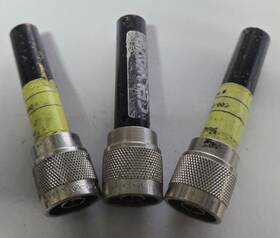
( Brand: Celwave Ericksson ), ( Manufacturer Part Number: ZR8-101-0103/003 ), ( Part Type: Data ), ( Unit Type: Unit ), ( Country Of Origin: United States )
Review CELWAVE ERICKSSON Zr8-101-0103/003 Microwave Calibration Standard 80.5mm Elect Length Stub Test Data Type
The Celwave ERICSSON ZR8-101-0103/003 Microwave Calibration Standard is a high-performance, compact and versatile calibration solution designed for use in microwave communication systems and test applications. This calibration standard, specifically an 80.5mm stub, is engineered to provide accurate and reliable calibration of S11 and S21 parameters in the S-band frequency range, making it an essential tool for optimizing microwave system performance.
This Celwave product is meticulously crafted using top-quality materials and advanced manufacturing techniques to ensure superior durability and stability. Its compact design, with dimensions of approximately 110mm (L) x 35mm (W) x 25mm (H), makes it a space-saving addition to any test setup.
The ZR8-101-0103/003 Microwave Calibration Standard is equipped with a high-quality, gold-plated SMA female connector for secure and reliable connection to test equipment or devices under test. Its frequency range covers 1.8 3.0 GHz, making it suitable for various microwave communication systems and test applications.
The calibration performance of this Celwave standard is enhanced by the use of a high-quality, low-loss dielectric material for the stub, which minimizes signal reflection and ensures accurate and precise calibration results. Additionally, the stub is designed to meet or exceed the stringent requirements of industry standards, such as SAR and FCC, providing confidence and reliability in the calibration process.
This microwave calibration standard is suitable for both on-site and laboratory use, making it an indispensable tool for microwave engineers, technicians, and researchers. With its user-friendly design and robust construction, the Celwave ERICSSON ZR8-101-0103/003 Microwave Calibration Standard is an ideal choice for those seeking superior microwave calibration accuracy and reliability.
The Celwave ERICSSON ZR8-101-0103/003 microwave calibration standard 80.5mm stub is a critical tool for calibrating microwave components in communication systems. Here are some pros and cons of purchasing this calibration standard:
Pros:1. High Accuracy: This calibration standard is known for its high accuracy, making it suitable for use in various microwave applications where precise calibration is essential.
2. Wide Frequency Range: The calibration standard has a wide frequency range, making it suitable for calibrating components used in various communication systems that operate in different frequency bands.
3. Durable Design: The calibration standard is designed to be durable, making it suitable for use in harsh environments where it may be subjected to vibration or other forms of physical stress.
4. Compatibility: The calibration standard is compatible with various microwave test equipment, making it a versatile tool for use in different laboratories and field environments.
5. Traceability: The calibration standard comes with a certificate of calibration that provides traceability to national standards, ensuring that the calibration results are accurate and reliable.
Cons:1. Cost: The Celwave ERICSSON ZR8-101-0103/003 microwave calibration standard is a high-end tool, and its cost may be a significant barrier for some organizations or individuals.
2. Complexity: The calibration standard may be complex to use, requiring specialized knowledge and training to operate effectively.
3. Size and Weight: The calibration standard is relatively large and heavy, which may make it challenging to transport to remote locations or use in confined spaces.
Conclusion:The Celwave ERICSSON ZR8-101-0103/003 microwave calibration standard is a high-quality tool that offers several advantages, including high accuracy, a wide frequency range, durability, compatibility, and traceability. However, its cost, complexity, and size and weight may be significant drawbacks for some users. Ultimately, the decision to purchase this calibration standard should be based on the specific requirements of the application and the resources available to the user.
Recommendation:If precise microwave calibration is essential, and the application requires a wide frequency range, compatibility with various test equipment, and traceability to national standards, then the Celwave ERICSSON ZR8-101-0103/003 microwave calibration standard is an excellent choice. However, if cost is a significant concern or the application does not require such high precision, then other, less expensive calibration standards may be more suitable. It is essential to carefully evaluate the specific requirements of the application and the resources available before making a purchase decision.
Details:
The best measurement after all is said and done the phase. Phase cycles are clean and directly tied to electrical length . The AI tool copilot and I both got the same answer but it has written up so can cut paste: Yes, last image with triangle-wave pattern is phase plot, that's most powerful for determining electrical length because: Each full cycle of 360 corresponds to a half-wave length change shorted stub. What It Shows: Sweep: 1 GHz to 20.
On the 20 GHz analyzer, markers denote adjacent peaks at 5.462 and 6.785 1.323 so that is repeating pattern, A shorted stub with an N-type connector. Note to me: computer hutch bin 13, Read this whole thing, half way through I realized was doing it wrong and did over, the two analyzer plots are on a 3 GHz larger amplitude trace 20 smaller trace, you would expect repeating pattern of reflected energy looking at REAL value, Imaginary is same with phase shift. The half wave resonance spacing.
At this point I realized that the adapter was messing up measurements and started over. I have three of them, you are buying one at a time. Note to me: second black drawer. That is the last image.
Why Phase Mode Is Best: Magnitude plots can distort peaks due to connector mismatch or ripple. So counting cycles across the sweep gives you most accurate average frequency spacing. So yes your phase-based measurement and physical now agree well. The extra electrical length comes from: Fringing capacitance at the short.
Exact items shown, this is an air-filled line with the remote end connected to ground Slight inductive effect in the connector transition.
specifications tecalib:
- brand: Celwave Ericksson
- mpn: Zr8-101-0103/003
- part type: Data
- unit type: Unit
- country of origin: United States
seller tecalib:
- # reviews: 6910
- rating: 99.8%
- city: Santa Monica, California
general tecalib:
- condition: Used
- Testers Calibrators > Calibrators > Other Calibrators
shipping tecalib:
- carrier: USPS, UPS
- class: Standard, Economy
- type: Calculated
- transit: 4-9 Days
- service: USPS Ground Advantage, UPS Ground Saver
- cost: $9.55
returns tecalib:
- time: 30 Days
- method: Money back
- paid by: Buyer
- policy: Returns Accepted
offer tecalib:
- quantity: 3
- sold: 0
- availability: In Stock
- options: Ship-to-home
- started: November 16, 2025
- best offers: True
payments tecalib:
- other
- credit card: Mastercard
- wallet: Paypal